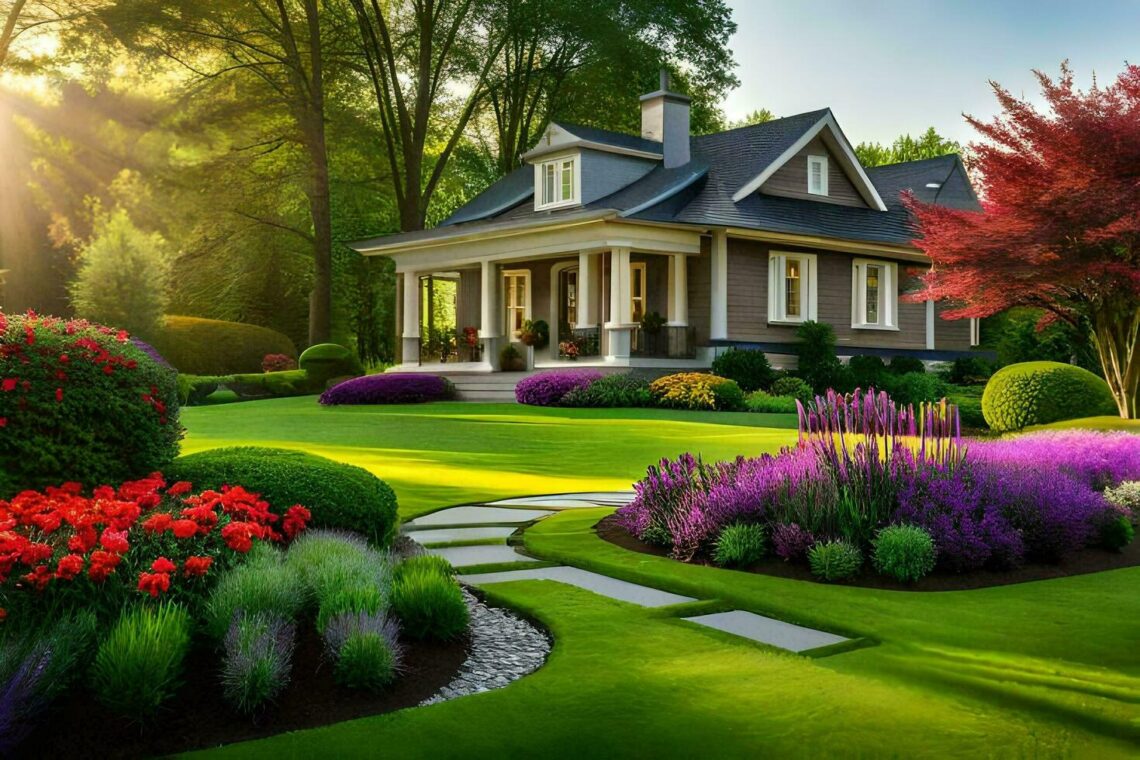
Ever thought an unspoken corner of your home garden can change the way you see reality? Building functional home garden designs isn’t simply about flowers or vegetables; it’s a place that reflects and boosts the beauty of your residence. With a little imagination and creativity, a functional or recreational space can be designed in a home garden, even with a small corner in the backyard or a dynamic porch. There are many different types and ideas of garden design, so it is difficult to know where to begin. Here are 30 different home garden designs for various tastes, sizes, and budgets.
The Principles of Home Garden Design?
- Symmetry and Balance: Understanding the layout, the placement, and colours helps to achieve a functional home garden. The importance of the concept of visual balance of hardscaping elements to neutralise each side.
- Proportion: A visual balance between elements and space in the home garden should be maintained; selecting appropriately sized plants, furniture, and elements is important.
- Harmony: A harmonious home garden is a cohesive design that exudes harmony by incorporating multiple elements of the garden, such as indoor and outdoor spaces, color tones, plant varieties, complementary textures, and contrasting building materials.
- Availability of Space and Layout Before Choosing a Style: Find out the available space and size for the home garden design. Vertical gardening or container designs are recommended if space is limited or small. Know what the purpose of the home garden design is – Is it a quiet place, a space for recreational activities, or a vegetable garden? Based on design style, the movement, pathways, types of plants, and maintenance factors can be decided.
Historical Overview?
Home gardens have been an integral part of our culture from the ornamental gardens of ancient Egypt and Mesopotamia to medieval European kitchen gardens. They are a symbol of expression, cultural values, and have spiritual significance. In contemporary times, they range from small balcony potted planters to beautifully designed gardens.
30 Home Garden Design Ideas?
Let’s dive into 30 different 30 home garden ideas, which will be your guide for individuals, landscape designers, and researchers who want to know about the relationship between mankind and nature in the urban landscape.
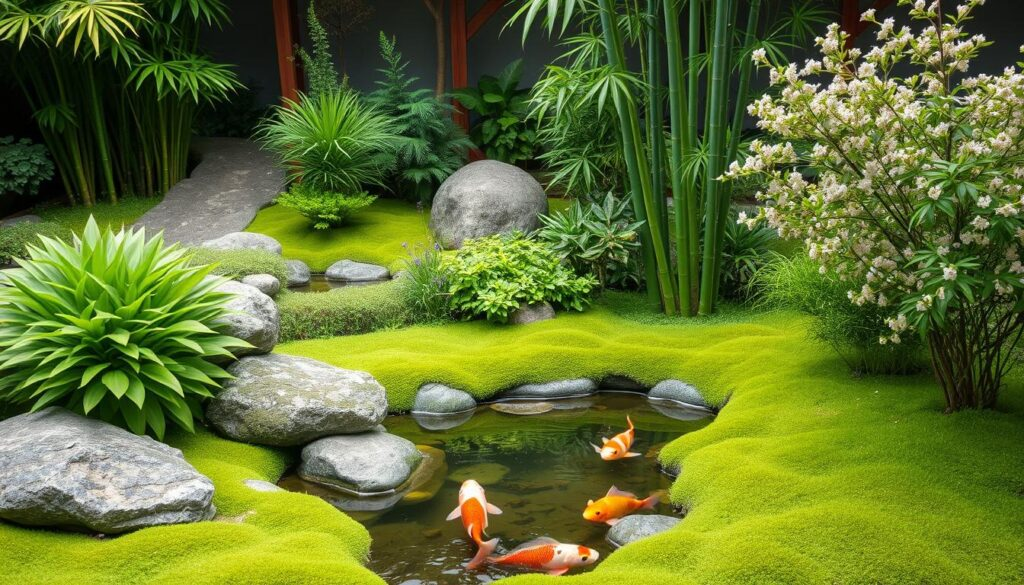
1. Japanese Zen Garden
The Japanese Zen Garden considers some minimalistic design ideas where tranquility, low maintenance, and spiritual calm are considered, with all-around popular earthy materials, terracotta and sandstone elements.
2. Wildflower Garden
Wildflowers like marigolds, jasmine, or lantanas will encourage local pollinators (bees, butterflies) to support biodiversity in a space that promotes ecology. Vibrant colours in the home garden evoke a sense of spirit and aliveness.
3. Forest Garden
The large plot is designed to have a forest garden with native Indian trees such as banyan, neem and peepal, providing a natural ambience and home for wildlife.
4. Cottage Garden
If you want a beautiful home garden with vibrant colors, then consider using traditional Indian flowers such as roses, hibiscus, bougainvillea, and creepers that combine the elements of both indoor and outdoor space with contemporary design.
5. Woodland Garden
Let the natural and visual beauty prevail, with native plants such as ferns, bamboo, and ground covers that offer shaded areas with plenty of trees for relaxation and a peaceful afternoon.
6. Tropical Garden
Exotic plants such as palms, bougainvillea, or banana plants will flourish and provide a rich green atmosphere and lush greenery with colourful flowers in India’s tropical climate.
7. Desert Garden
In arid areas, drought-tolerant plants such as cacti, succulents, and desert roses are better options. Low water, maintenance, and blossoms are required.
8. Botanical Garden
Botanical garden designs are informative, aesthetically pleasing, and environment-friendly, with a number of rare and unique plants from around India. It designs a soothing, colorful, and active corner in the back or front garden.
9. Vegetable Garden Design
The most self-sufficient, easy-maintenance method for compact spaces is a vegetable garden, container garden, and fresh planting for vegetables, such as tomatoes, carrots, and leafy greens.
10. Herb Garden
Keep a small corner for fresh vegetables and Indian spices such as mint, tulsi (holy basil), coriander, and curry leaves. It makes for a low-maintenance home garden design, good for cooking and medicinal purposes.
11. Urban Garden Design
Design a green space, reflecting green building policies, for small spaces such as small backyards, balconies, or rooftop spaces, for urban residents who want to enjoy their calmness.
12. Vertical Garden
One of the best options for planting in limited areas is a vertical garden made up of hanging pots or wall-mounted planters; this is a space-saving and efficient method of creating an aesthetically pleasing home garden.
13. Container Garden
The best for apartments, where flexibility or adaptability is the top priority for users, is an ideal method to form containers with the thought of easily movable flower, vegetable, and herb pots.
14. Garden Paths & Walkways
When designing a functional home garden, stones, gravel, or clay tiles should be included to make a pathway that will be both decorative and accessible to the design.
15. Fruit Orchard Garden
Plant fruit trees like mango, guava, papaya, or pomegranate in a small orchard system and harvest fresh fruits and raw produce for a natural ambiance.
16. Water-Efficient Garden
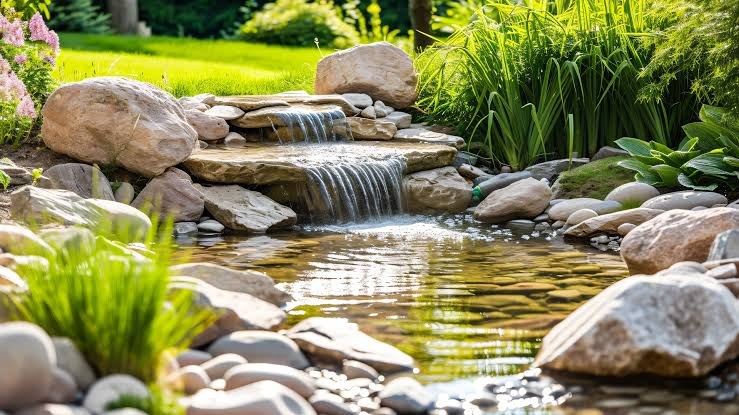
Highlight the importance of drought-resistant crops, drip irrigation, and water harvesting, focusing on sustainability, green building, and water conservation.
17. Modern Minimalist Garden
Consider the design style, such as minimalistic, for an urban home incorporating clean lines, neutral colors, and simple yet impactful plants like bamboo or succulents, a sleek and low-maintenance design.
18. Mediterranean Garden
The use of terracotta pots, bougainvillea, and olive trees provides a warm and inviting shaded, sun-soaked area for easy maintenance.
19. Tropical Oasis Garden
Exotic and vibrant spaces are ideal for a terrace home garden where palms, frangipani, and flowering trees can be used.
20. Formal Garden Design
A large modern home can be complemented with a luxurious and elegant garden design by the addition of balanced design elements such as hedges, fountains and sculptures.
21. English Garden
Even a combination of design styles and formal/informal elements with curved pathways, flower beds, and a colonial style of greenery makes a traditional and peaceful home garden.
22. Contemporary Garden Design
Incorporating the artist’s hand into the garden, new techniques with geometric patterns, use of modern materials, and strong plants such as succulents or flowering shrubs make home gardens for modern Indian houses.
23. Fairy Tale Garden
Include whimsical features such as statues of Indian gods, fairy-tale sculptures, or small bridges for a magical space, to create a place of personal expression and a creative garden in the home.
24. Sculptural Garden
Incorporating Indian statues, pottery, and traditional art elements into the garden adds a cultural dimension to its expression, while also enriching the garden’s overall artistic appeal.
25. Rustic Garden
Make it natural. For an organic and low-maintenance garden, use raw natural materials such as jasmine, lotus, wood, stone, and metal.
26. Romantic Garden Design
Elegant plants such as roses and jasmine, along with comfortable seating and gentle lighting, add to the atmosphere of community and cozy corners.
27. Rock Garden Design
With succulents, aloe vera, and other drought-resistant plants, create naturalistic rock sculptures in the tradition of India’s famous rock gardens.
28. Feng Shui Garden Design
For the mental and physical balance of the user, promote harmony as well as plantings, water features, and pathways to encourage positive energy flow.
29. Rain Garden Design
A rain garden will capture rainwater and help to reduce water runoff by encouraging sustainability through the use of native plants that are wet-loving, like marsh marigolds, lilies, and grasses.
30. Rooftop Garden Design
As the demand for green spaces in urban areas grows, a rooftop home garden can transform an unused space into a beautiful, functional space, create a retreat with great views, and enhance air quality.
Factors to Consider for Home Garden Design?
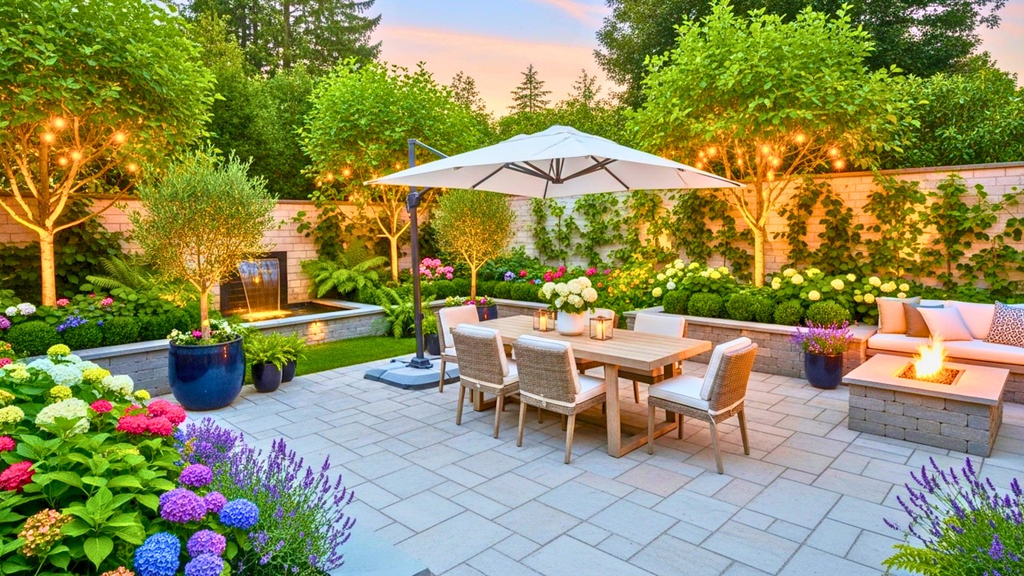
When planning a home garden, take into account the climate and local weather conditions when choosing plants and their growth potential. The sun’s direction and diffused light affect the placement of plants and elements. Opt for low-cost home garden design elements such as do-it-yourself or reused materials in the garden to construct a budget-friendly garden. Make your home garden into a unique and relaxing area, depending on personal taste or popular trends, such as modern, minimalist, or classic.
Future Trends for Home Garden Designs?
- Smart Gardening: Smart gardening is the use of technology in garden management, which makes gardening more efficient, accessible, and data-driven. Garden monitoring applications can monitor plant development, remind you to care for them, diagnose ailments, and suggest garden care advice. Homeowners can remotely manage lighting, temperature, and humidity in a smart greenhouse or automated service with robotic lawnmowers, among other tools.
- Edible Landscaping: A design strategy that integrates fruit, vegetable, and herb plants into the overall garden design. This approach doesn’t involve separating food crops from ornamental plants. It encourages good nutrition and brightens and adds texture with a variety of colors.
- Rooftop Gardens: With the increasing densification of urban areas, the space available in a horizontal direction for gardens is constrained. It’s growing plants on walls, fences, or stacked planters such as living walls, hanging and tower gardens.
- Therapeutic Gardens: These help to heal, relax, and bring people together. Sensory Gardens: These are designed to be experienced through the senses. These gardens have a particularly positive impact on persons with disabilities, the elderly, children, and people with mental problems. Typically used in hospitals or nursing homes, schools, or residential homes. Additionally, it improves the life and independence of the mobility-impaired.
Conclusion
This is an interesting opportunity to create different layout styles and nature to combine with home garden design. In India, home garden design can suit every taste and space, whether you want a garden inspired by nature, such as a Japanese Zen Garden or a vegetable or herb garden, or an aesthetic garden such as a tropical oasis. When designing, take into account local climate, available space, and maintenance levels. These 30 home garden design ideas are unique and will guide you in creating a personalized garden space that embraces sustainable and eco-friendly design strategies, while incorporating some creativity and functionality.
FAQ
1. Some creative home garden design ideas?
Vertical gardens, raised flower beds, container gardens, rock gardens, pergolas, and small water features are just a few creative home garden ideas. Select the design that is suitable for your space and lifestyle.
2. What are the most effective features to incorporate into a lovely garden on a tiny plot?
Utilize small, vertical planters, hanging pots, multifunctional elements, and compact furniture in order to make the space look larger. Different heights and layers can also make the garden look bigger.
3. What plants should be planted in the house garden?
The best plants will be based on your climate, sun, and soil. Home gardens are a collection of plants including flowering plants, herbs, shrubs, succulents, and native plants.
4. What can I do to modernise my home garden?
Utilize clean lines, simple planters, neutral colored materials, outdoor lighting, and plant selection. Whether there is greenery alongside wood, stone, or concrete, a modern look can be achieved.
5. How can I now produce a home garden all year?
Water, prune, weed, fertilize, and control pests are necessary on a regular basis. Select low-maintenance, well-suited plants that will make garden care easier throughout the year.

