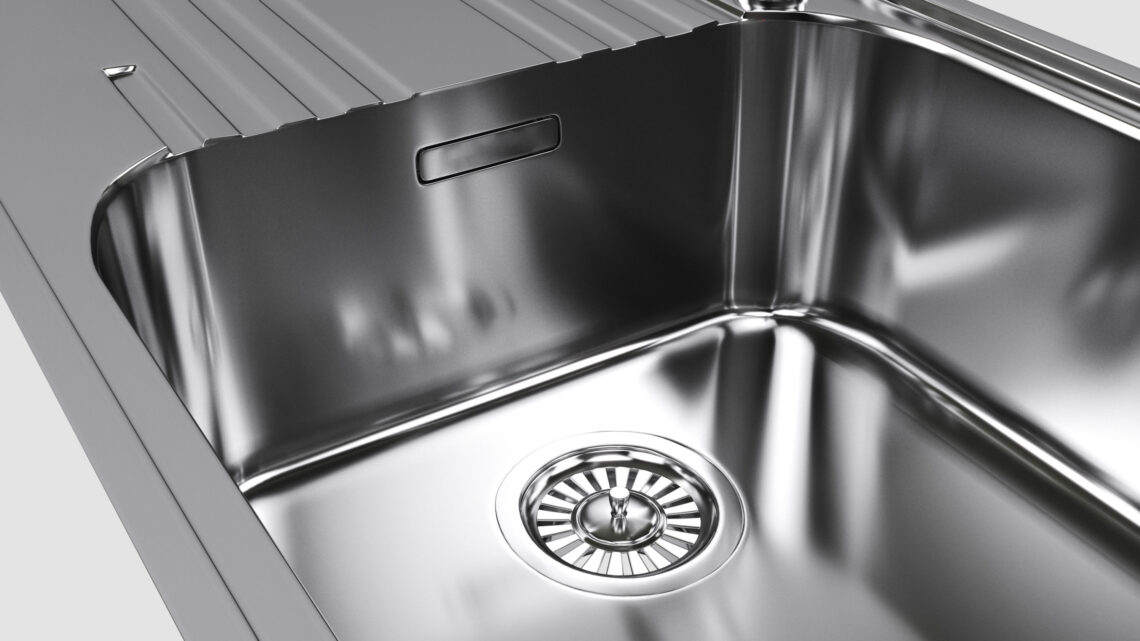
One of the most common sinks used in modern kitchens is the stainless steel sink, which is durable, fashionable, inexpensive and also simple to clean. But, water spots, food stains, grease, soap residue and foul smell can occur after a day of use.
Even the best stainless steel sink can start to look worn and dingy if it is not cleaned properly. Thankfully, restoring its shine doesn’t require any costly products or professional services. Following a few simple tips and tricks, your sink can remain clean, fresh and shiny with just a few household items.
Why Regular Cleaning Is Important
Regularly clean sink to keep it looking clean and appealing. Every day, your kitchen sink comes into contact with food particles, soiled dishes, fat and bacteria. When these substances accumulate, they can cause stains and odours. Also, frequent cleaning will help to ensure that mineral deposits and water spots do not become difficult to remove. A clean sink makes a more appealing kitchen and will help extend the life of the stainless steel sink surface.
Collect the Correct Cleaning Products
Here are some basic items to gather before you start cleaning. Most stainless steel sinks can be successfully cleaned using dish soap, warm water, baking soda, white vinegar, soft sponge, microfiber cloth or an old toothbrush (for tight spaces). They are easily found around the home and cost little. Be cautious of using rough steel wool pads or any highly abrasive cleaning materials as these can cause scratches and mar the smoothness of the sink.
Start by Removing Food and Debris
The first thing to do is to clean the sink of dishes, food debris and other trash. Rinse the whole surface with warm water, to remove dirt and any residual particles. Focus on the drain area, corners and edges where food can puddle. Clean with cleaning products after removing stray scraps or dirt to make the task easier and not spread dirt around the product.
Wash Sink Using Dish Soap and Warm Water
Usually daily cleaning requires only dish soap and warm water. Mix a small quantity of dish soap in a soft sponge or cloth and slowly clean the whole sink. When possible, always use the direction of the stainless steel sink grain, as this is a good way to preserve the natural finish and to minimize the risk of scratches appearing. Rinse well after scrubbing to wash off all soap residue.
Mostly for a Deep Clean, Use Baking Soda
Use baking soda as a natural cleaner to eliminate tough stains and dirt. Pour baking soda on top of the wet surface of the sink. Gently rub with a soft sponge, paying particular attention to stained or soiled areas. The baking soda is slightly abrasive and will help in cleaning without harming the stainless steel sink. After you’ve finished cleaning the full sink, run a clean warm water stream down the sink to rinse it off.
Use White Vinegar to Remove Water Spots
Water spots are an often seen issue particularly in regions with hard water. White vinegar can be used to dissolve mineral deposits and give the sink a shine. Apply white vinegar or a small amount, and let it sit for a few minutes. Gently rub the surface with a soft cloth, in the direction of the steel grain. Then, rinse the sink with water and pat it dry to avoid reappearance of water spots.
Clean Drain and Garbage Disposal Area
As time goes on, the food particles, grease and bacteria can build up in the drain area. To clean it, sprinkle baking soda near the drain and pour a little of the white vinegar. Mixtures can bubble, which can help to dislodge dirt and residue. After a few minutes, rinse the area with warm water. You can also clean your garbage disposal, if you have one, as per manufacturer’s instructions to help eliminate foul odors.
Use an Old Toothbrush for Difficult Areas
Cleaning a stainless steel sink is not an easy task to do with the regular sponge, as there are some parts that may be hard to clean. Grit can build up around the edges of the faucet, drain and sink. An old soft toothbrush can assist you reach these tight spaces. Gently scrub with a small amount of dish soap/baking soda. Do not use too much pressure; too aggressive of scrubbing can scratch the stainless steel sink.
How to Remove Tough Stains
If the stain is difficult to remove, you might have to repeat this cleaning process a few times. The baking soda and water mixture can be used directly on the stain. Let the paste sit for a few minutes and gently sponge the surface of the soil. White vinegar is useful for more problematic mineral stains. If you are not sure about the effect a new cleaning product will have on the surface, always test it on a small, inconspicuous area first.
How to Deal with Rust-Colored Marks
Stainless steel sink is rust free, but can sometimes show rust-coloured marks from metal objects, cookware or iron particles in the sink. Avoid using steel wool to remove the marks since it can worsen the problem with the tiny metal particles left behind. Rather, apply baking soda and water to make a mild cleaning paste. Apply gently to affected skin and then wash off.
Clean after Every Use, Dry the Sink
The easiest method of maintaining a shiny stainless steel sink is to dry it after using it. Evaporation of water can cause mineral deposits and leave spots, causing visibility issues. After washing dishes or after a deep cleaning, dry the sink using a clean microfiber cloth. This little thing can go a long way in keeping things looking sharp and flawless.
Polish Stainless Steel sink to Extra Shine
Once your sink is clean, you can use a polish to add a shiny appearance to it. A little amount of mineral oil, olive oil or a stainless steel sink polishing product can be used on a clean microfiber cloth. Gently wipe the sink in the direction of the grain. Just a small amount is needed as too much oil can cause a greasy surface. Sometimes polishing can help to give your sink a new look and help bring the shine back.
Avoid Harsh Cleaning Products
Some chemicals are not suitable for use with stainless steel sink. Damage to the protective surface layer can result in discoloration from the use of bleach, strong chlorine-based cleaners, and highly abrasive powders. Scratches can also be caused by rough scouring pads and steel wool. Use soft/careful cleaning products and tools. If you’re using a commercial stainless steel sink cleaner, be sure to use it properly and ensure it’s appropriate for kitchen sinks.
Clean in the Direction of the Grain
The stainless steel sink typically demonstrates a grain or pattern on the surface. Cleaning/polishing in this grain direction would help maintain the appearance of the sink. Scrubbing across the grain can highlight scratches and may result in an uneven surface. Before conducting a deep clean, make sure to determine the direction of the grain.
Prevent Scratches and Damage
Prevention is an important element of sink maintenance. Never allow sharp objects, heavy pans or coarse metal in the sink for any extended time. Use a protective sink grid or mat to minimise pots and pans scratching. Never cut food on the sink surface and do not pull heavy objects across the sink surface. There are some simple changes that you can make with your everyday routine that will help to maintain the appearance of your original stainless steel sink.
Get Rid of Unpleasant Odors Naturally
Food residue and bacteria in the kitchen sink drain can cause kitchen sink odors. Use baking soda as a natural deodorant. Add a little in the drain and flush with warm water. Vinegar can also be used to aid in cleaning up residual water from the drain area. Clean the sink and drain regularly to avoid any unpleasant smell.
Develop a Weekly Cleaning Schedule
Your sink can be kept in great shape with a simple cleaning process every week. Regularly wash the sink with dish soap and warm water, use baking soda to deep clean as needed, and then use vinegar to remove water spots. After using the sink, it should be dried. It should become a habit to dry off the sink after use. Cleaning small dirt amounts on a regular basis can prevent you from having to spend hours on dealing with big stains later.
Common Mistakes to Avoid
A frequent error is having sponges, metal utensils or cleaning supplies in the sink for a long time. These items may hold moisture and lead to stains or spots. Another error is the use of strong chemicals without determining if they’re safe on stainless steel sink. Too much scrubbing and with the wrong materials can also result in permanent scratching. If you can, stick to gentle cleaning and have it done regularly.
Final Thoughts
Cleaning a stainless steel sink at home can be easy and simple. Common household items, like dish soap, baking soda, and white vinegar, can help remove dirt, stains, water spots, and foul odors. Cleaning and drying the surface after use, cleaning in the direction of the steel grain and not using harsh products are the most important.
With regular maintenance your stainless steel sink will stay shiny and sanitary for many years. Don’t wait until stains are impossible to remove, establish a simple daily and weekly cleaning routine. In a few minutes, you can prevent the build-up and maintain a fresh and beautiful kitchen. With these simple suggestions, you can keep your stainless steel sink pristine and enjoy a cleaner and more beautiful kitchen each day.